Is Vaping Safe Around Your Dogs?
I think we know that if our dogs were to get hold of the vape and vaping liquid, and then chew and swallow it that the chemicals are going to be highly poisonous. They MUST go to the vet immediately. Dogs are curious, so keep the vapes safely away.
What about the vape smoke/vapour?
The vapour contains chemicals like propylene glycol, heavy metals, xylitol (a toxic sweetener for dogs) and formaldehyde amongst other elements.
If your dog has a pre-existing respiratory conditions, exposure can make it worse. Propylene glycol is a known irritant to the respiratory systems of dogs, and in high doses, can be toxic.
Also consider that the vapour will settle on surfaces such as your dog’s fur, which in turn they will lick and then ingest.
Source: Help at Hand Dog Training & Behaviour
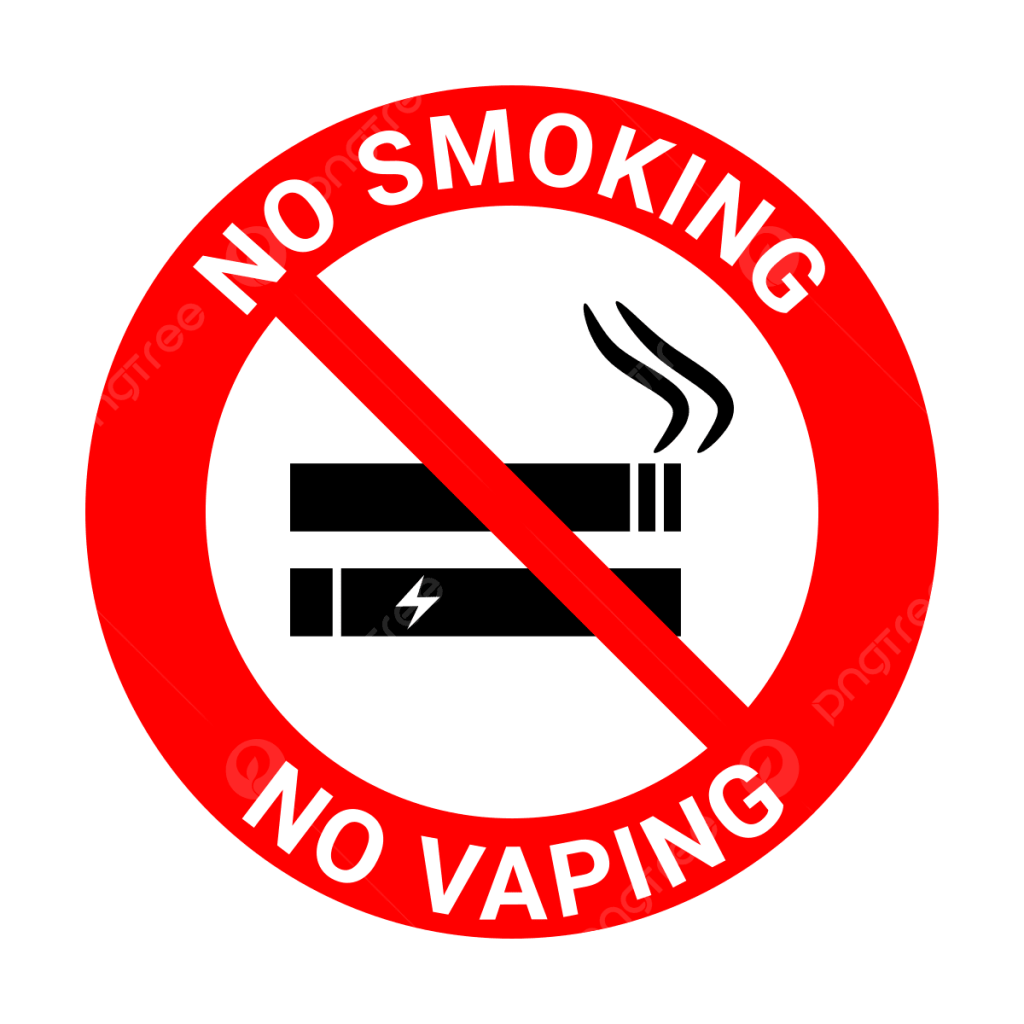
What about smoking?
The short answer is no. Just like in humans, smoking is significantly harmful to pets, but the risks are often higher for them because of how they interact with their environment.
When you smoke around a pet, they face a “triple threat” of exposure:
- Secondhand Smoke: Breathing in the smoke lingering in the air.
- Thirdhand Smoke: This is the residue (nicotine and toxins) that settles on furniture, carpets, and—crucially—their fur.
- Ingestion: Pets often lick themselves to groom. When they do, they swallow all those settled toxins directly.
Most pets breathe in second-hand smoke in their home. This exposure to smoke in the home is having a direct impact on pets.
Even if you open up the windows or doors, smoke still spreads around your home. Almost 80% of tobacco smoke is invisible and has no smell so you might not notice how far it spreads. Smoke can contain over 5,000 different chemicals many of which are toxic to both people and pets, but can build up on surfaces and clothes or even the pet’s coats.
Research has shown that dogs and cats can be exposed to significant amounts of smoke when living in a smoking household. Cats could be affected even more than their canine counterparts. This is because toxic smoke particles settle on their fur and cats could swallow these when they’re grooming themselves.
You should also be careful leaving ashtrays around pets as even cigarette butts pose a risk due to the heavy metals and toxins in the cigarettes which they could accidentally eat.
All pets are sensitive to nicotine so if you’re trying to quit smoking you should always be very careful that nicotine replacement products such as patches, gum, inhalers or e-cigarettes are kept out of paws’ reach.
How does passive smoking affect pets?
Pets suffer from a lot of the same conditions as humans do from passive smoking:
- Toxins in tobacco smoke can damage your pet’s cells. This can mean they’re more at risk of certain types of cancer including lung, nose, mouth cancers and lymphoma.
- Smoke can cause breathing problems or make existing breathing problems worse.
- Second hand smoke can cause a range of other problems too and has been associated with weight gain.
Lowering the risks if your pet lives in a smoking household
Many owners aren’t aware of the impact on their pets. When they realise the effect passive smoking has they choose to smoke outside of their home as a way to reduce their pet’s exposure to the harmful chemicals. Other ways you can help to reduce the risk include:
- Smoking outside to prevent damaging particles collecting on pets, carpets and furniture.
- Don’t leave cigarette butts or ashtrays in easy access of pets.
- Wash your hands after smoking.
- Regularly clean and steam carpets to reduce the toxic particles from collecting in the home.
- Although you can reduce the amount of smoke your pet is exposed to by going outside, stopping smoking completely is the best option for your pet’s future health and wellbeing.
For safety – vape/smoke outside, store securely to ensure the dog can not get hold of it and then dispose of well away from your dog.
Candles?
As with all things…it depends which candles you are using as to whether they could potentially pose a problem for your dogs.
Scented candles can be made with synthetic fragrances and chemicals such as formaldehyde, toluene, phthalates to name a few….these are not healthy for us let alone our dogs and can become toxic. They can be irritants and aggravate the respiratory system, so if you or your dog have a bad chest as an example, the last thing you want to do is burn a highly manufactured candle.
Instead look at getting natural candles such as soy, beeswax or coconut wax, scent free, eco cotton wick and phthalate-free.
Remember that symptoms can build up over time, so it’s best to be on the safe side. Do yourself and your dog a favour, and don’t comprise your health for a highly manufactured candle. And if you do have some, ensure you have adequate ventilation.
#helpathanddogbehaviour#vape#vapehealth#vapelife#dogwelfare#vets#doglife#christmas#dogsatchristmas#adogisforlife#healthtips#healthcare#naturalisbest#thinkahead#beorganised#december
Source:PDSA